
"How could research teams imagine new solutions to social issues in a game?"
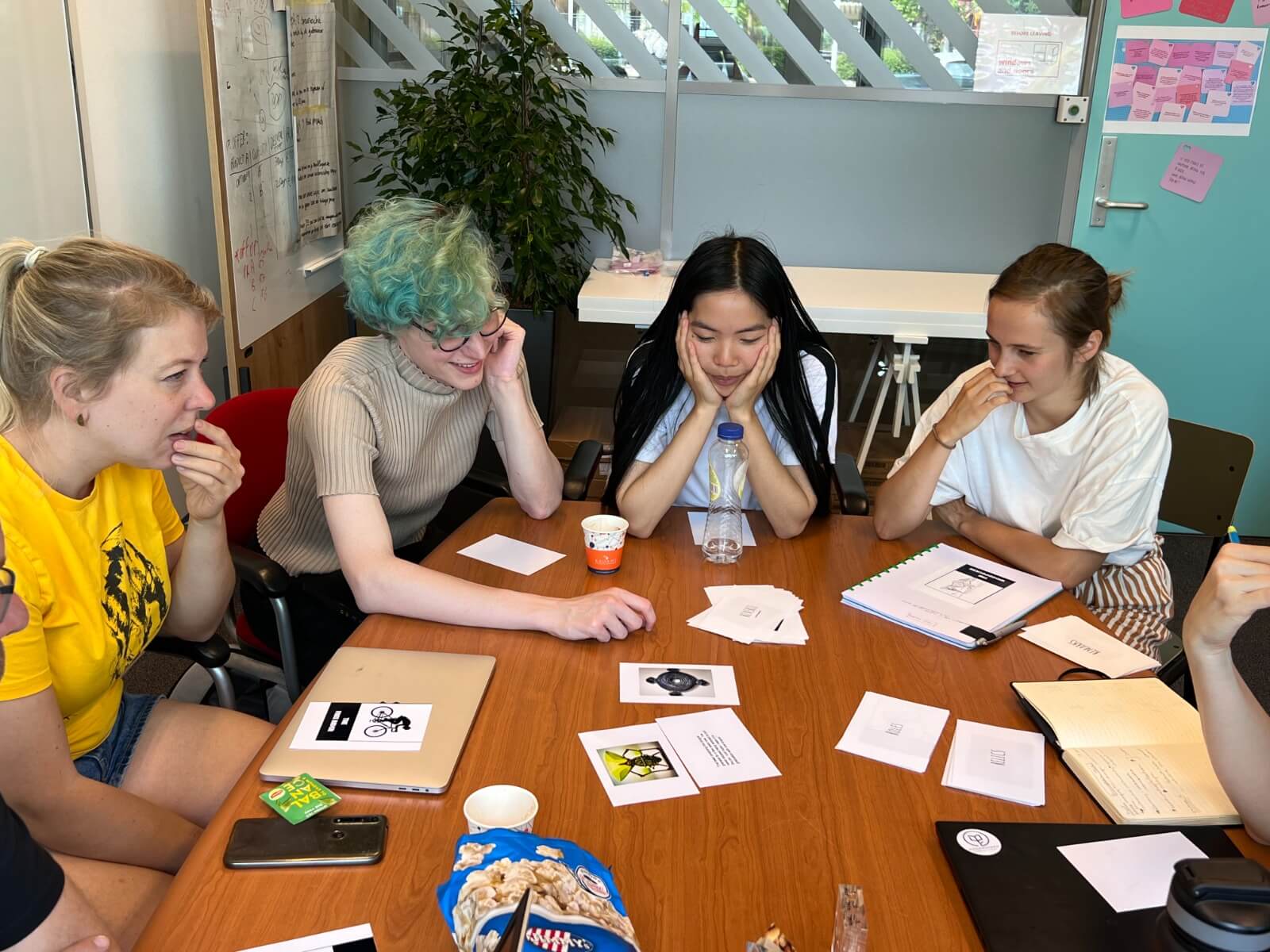
An already-established, transdisciplinary team of researchers came up with various game ideas and frameworks; some general, some more specific to a theme or issue.
This collection of concepts needed me as a game designer to ensure some degree of cohesion, to formalize rulebooks and guidance around each game, and to develop more games to cater to yet unmet needs of the audience.
Competencies
- Engaged and connected with customers and academics to understand needs and design novel solutions to meet them.
- Carried out oral and written instructions from my team, initiated meetings for clarifications and feedback.
- Learned team processes and goals to draft a Transformational Framework we could use to guide our processes.
- Created rulebooks, components, and other playable materials for 6 existing game designs, and 2 of my own.
Findings
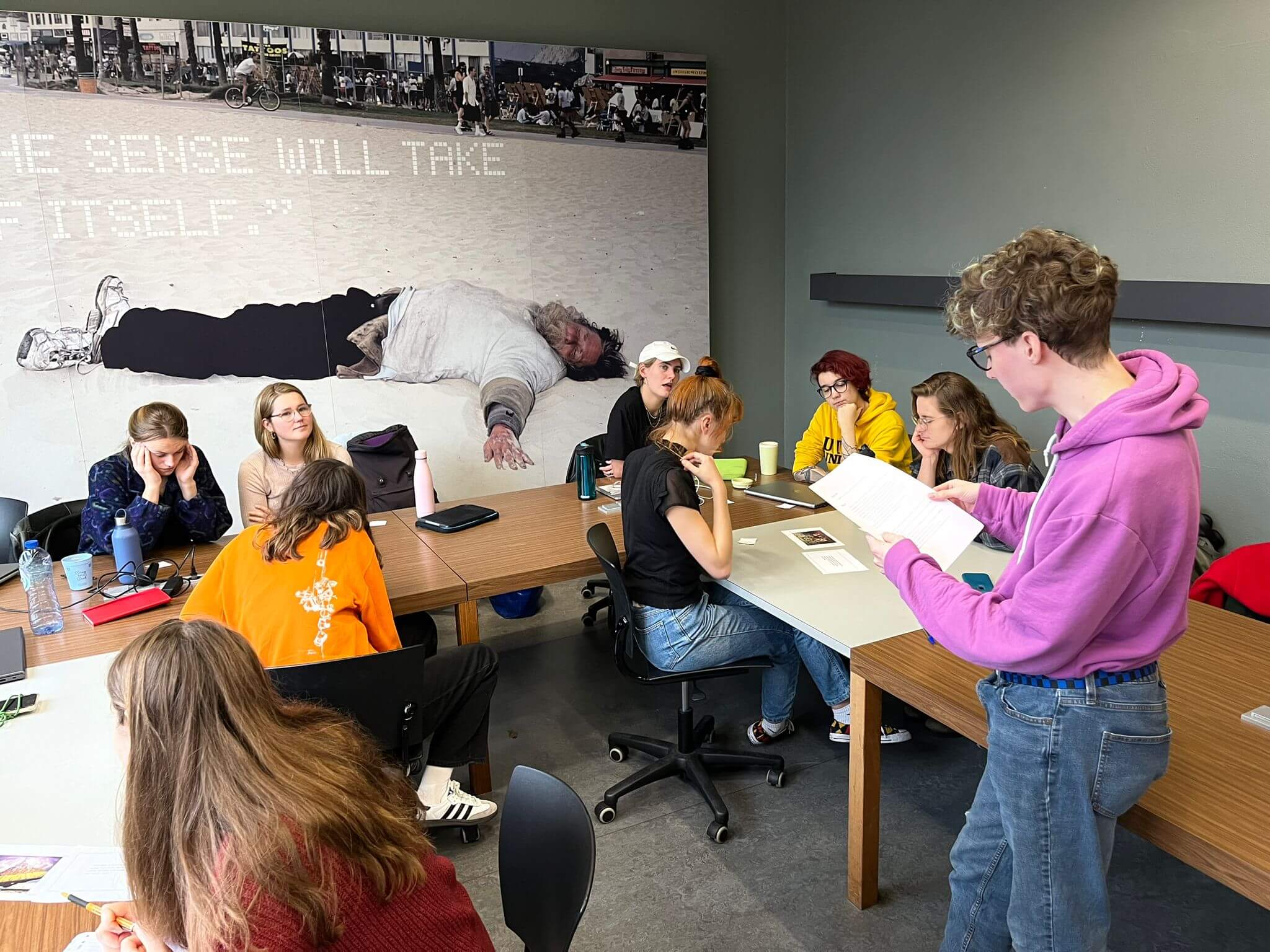
- Researchers of various disciplines are eager to collaborate, but often need to 'loosen up' to enter a deeply imaginative space.
- Developing even turn-based videogames with networking takes far more developer knowledge and time than a local game.
- Deeply innovative and fun ideas can come from anyone, and a designer can collaborate with them to make an engaging game that fulfills transformative goals.
Context
Playing with the Trouble was a research project within the Centre for Unusual Collaborations: a team of researchers and freelancers, including myself, "co-designing card decks and other playful materials and activities that can support transdisciplinary collaborations. Our goal was to consolidate these learnings into a “traveling library for transformative play” to circulate widely and enable collaborations to address important societal challenges." I finalized what had been early iterations of each game, testing them all to make further iterations, and created a digital prototype of one of our games in Unity to test whether digital version games would help bring together hybrid/online teams.