
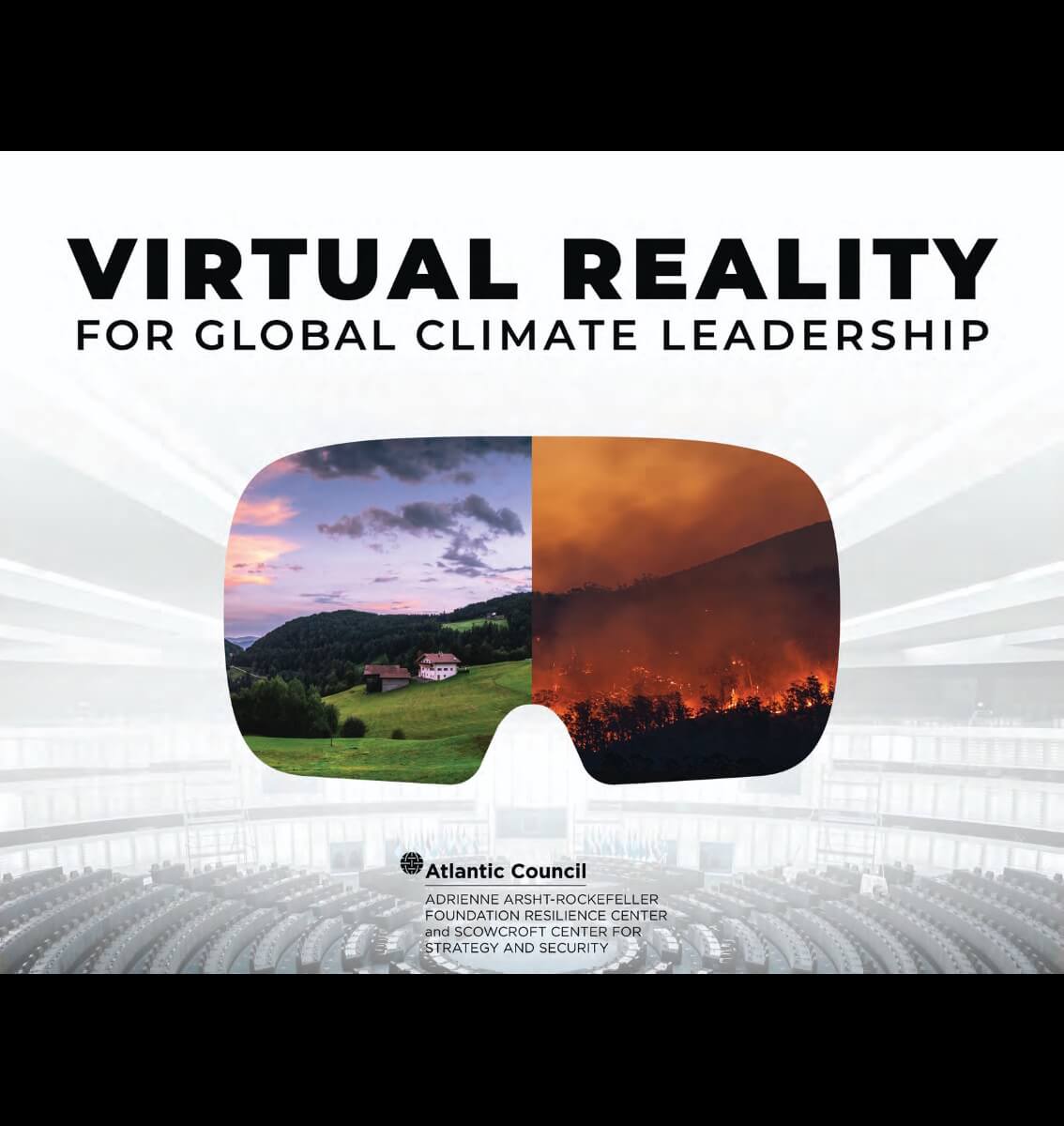
"How can VR influence world leaders' actions on climate change?"
Existing research on transformative game design, climate change education, and the psychology of political leaders needed to be synthesized into not just a design thesis, but a resource to guide the design of these kinds of games.
Competencies
- Researched 6 different world leaders in terms of relevant information for user research personas to better understand our target audience.
- Proposed a design for the VR experience integrating what had already been created for our prototype, and further iterating on those ideas with the team to best suit our needs.
- Recorded pages of academic sources on virtual reality and behavioral change: integrating what I've previously learned about game design and psychology with what I recently learned about climate change and world leaders.
- Assisted with meetings and workshops by asking pointed, specific questions, providing feedback and answers on game design questions, and taking detailed notes.
Findings
- There is no checklist of elements to make the perfect transformative game- each is bespoke with variable audience, platform, and subject matter, and therefore frameworks like the Transformational Games Framework are most helpful for development.
- Having a comprehensive, annotated bibliography is absolutely essential for a research project and team of this size. I was the only team member with the time to fully read and absorb nearly every paper we referenced.
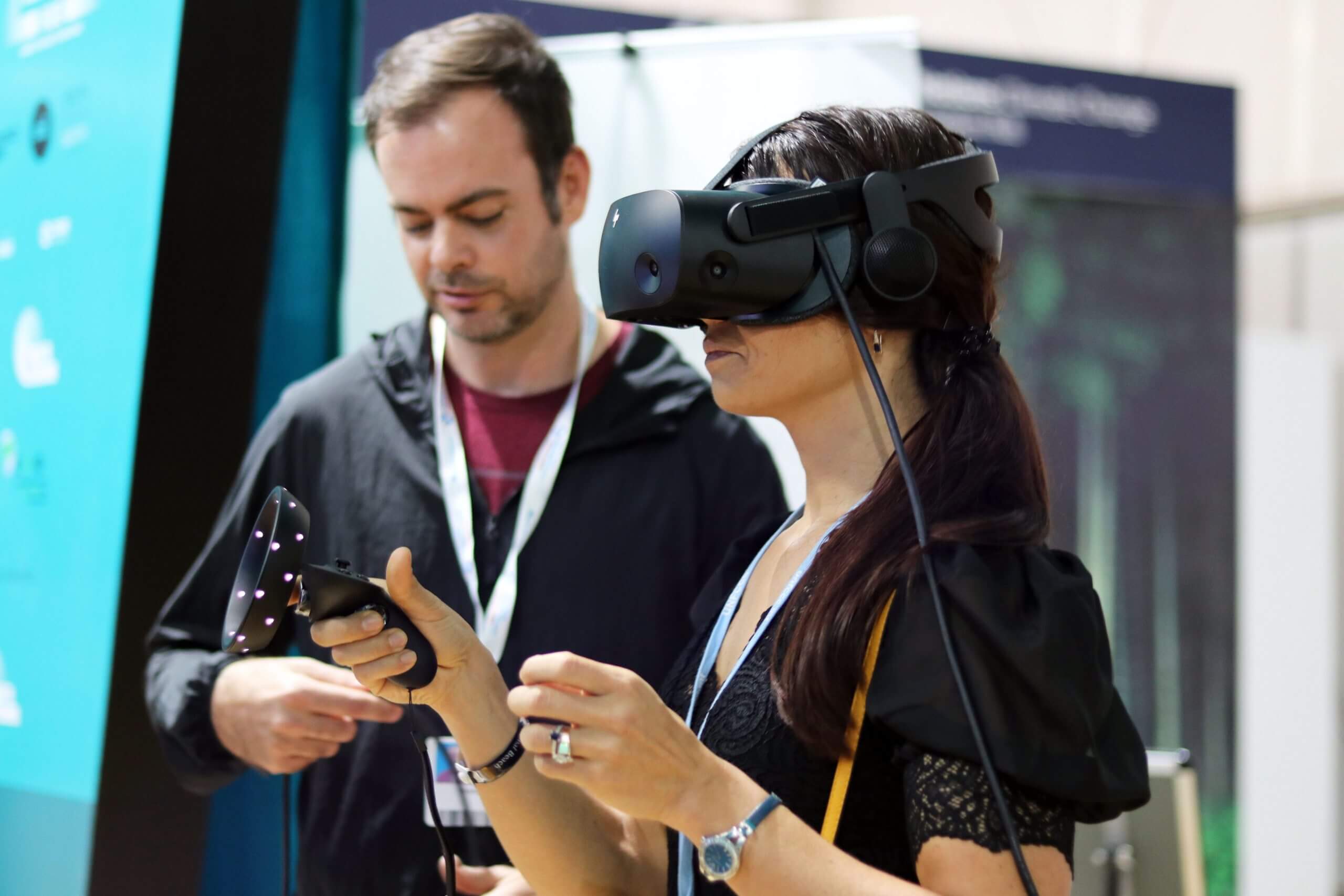
- Audience and goal should've been picked before platform to maximize the efficacy of what we could build and give to our audience. Putting a president in a VR headset is unlikely.
Context
When I joined this team, they had decided on a platform, and a relatively broad goal of changing the behavior of world leaders on climate change. I was to consult as a game designer on our research paper, which would also guide the development of our own game prototype. While the methods and procedures of the game designers on the team as well as the researchers were quite different and somewhat at odds, I think the paper does provide a useful guide for teams trying to build similar projects, and the direction of our prototype was genuinely innovative and exciting.